
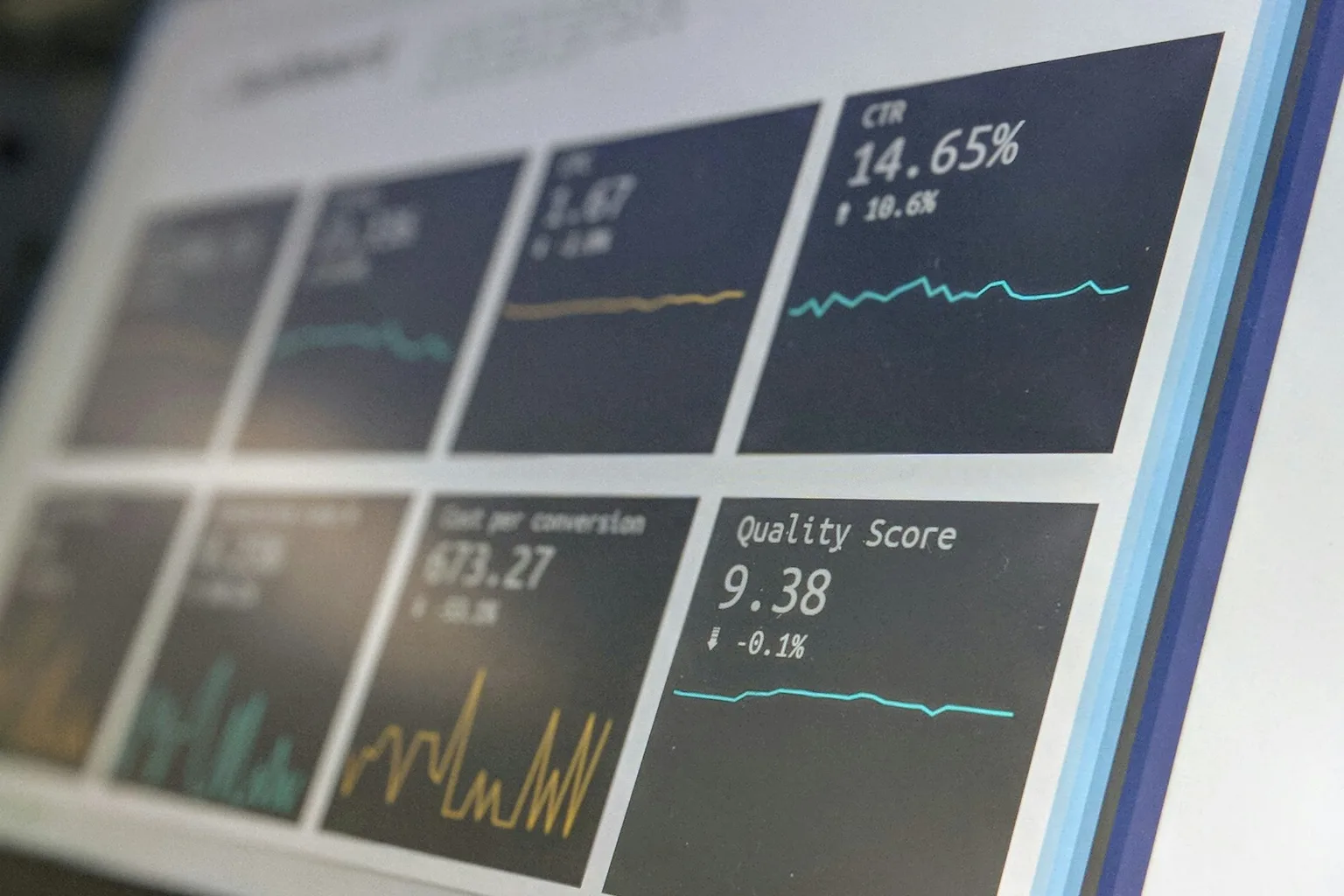
A suspicious sign-in at 2:13 a.m. can be harmless, or it can be the first move in a ransomware attack. The SIEM vs SOC conversation matters because businesses need more than a record of that event. They need to know whether it is a threat, what to do next, and who is accountable for acting before operations are disrupted.
For small and midsize businesses, security terms can sound interchangeable. They are not. A SIEM is technology that collects and analyzes security data. A SOC is the people, processes, and technology responsible for monitoring and responding to threats. One can support the other, but neither is a complete substitute for the other.
SIEM vs SOC: The Core Difference
SIEM stands for Security Information and Event Management. It is a platform that gathers logs and alerts from across an IT environment, including firewalls, endpoints, servers, cloud applications, email systems, identity platforms, and network devices. It centralizes that information so security activity can be searched, correlated, and reviewed in one place.
A SIEM may identify patterns that deserve attention. For example, it can flag repeated failed login attempts followed by a successful login from an unfamiliar location. It can detect a user account accessing an unusually high volume of files or an administrator making changes outside normal working hours. These capabilities improve visibility, which is essential when technology is spread across office networks, remote employees, Microsoft 365, cloud services, and mobile devices.
A SOC, or Security Operations Center, is the operational security function that watches for those signals and responds. Depending on the organization, a SOC can be an internal team, a co-managed service, or an outsourced 24/7 security operation. Its analysts investigate alerts, determine whether activity is malicious, contain confirmed threats, document incidents, and help strengthen defenses afterward.
Put simply, a SIEM produces and organizes security intelligence. A SOC turns that intelligence into action.
What a SIEM Does Well
A properly configured SIEM can give a business a much clearer picture of what is happening across its environment. Instead of checking separate dashboards for email security, endpoint protection, firewalls, and cloud applications, IT and security teams can review correlated events from a central platform.
This is particularly useful for organizations with compliance obligations. Healthcare practices, financial firms, government contractors, and professional service organizations often need to demonstrate that they monitor access, retain logs, investigate suspicious activity, and protect sensitive data. A SIEM can support those efforts by creating a searchable audit trail and producing reports that would be difficult to assemble manually.
SIEM technology also helps identify threats that a single security tool might miss. An endpoint alert alone may appear minor. When combined with a new administrative account, unusual VPN activity, and large file transfers, it tells a much more serious story.
However, a SIEM has limits. It does not automatically understand every business context. It may know that an employee logged in from another state, but not whether that employee is traveling for a client meeting. It can generate alerts, but it cannot reliably decide whether to disable an account, isolate a device, contact leadership, or begin incident response procedures without defined workflows and human judgment.
What a SOC Brings to Security Operations
A SOC provides the discipline behind security monitoring. Analysts validate alerts, separate normal business activity from genuine risk, and escalate incidents according to agreed procedures. This reduces the chance that a meaningful warning gets buried among hundreds of routine notifications.
For a growing business, the most valuable SOC capability is often speed. Cyberattacks do not wait for business hours, and a compromised account can be used to send phishing emails, access cloud files, or change payment details quickly. A 24/7 SOC can investigate after-hours alerts and take approved containment actions before the issue becomes a larger business interruption.
A mature SOC also improves consistency. It should have documented response playbooks for common threats such as phishing, business email compromise, malware, ransomware indicators, exposed credentials, and suspicious administrator activity. When an event occurs, the team does not start from scratch. It follows a tested process, gathers evidence, communicates clearly, and records the actions taken.
The trade-off is that building an internal SOC is expensive and demanding. It requires experienced security analysts, round-the-clock coverage, escalation procedures, threat intelligence, tools, training, and leadership oversight. Many small and midsize businesses do not need or cannot justify a full in-house operation. That does not reduce the need for monitoring. It changes the delivery model.
Do You Need a SIEM, a SOC, or Both?
In most cases, the answer is both, delivered at a level that fits your risk and budget. A SOC needs reliable telemetry to investigate threats, and a SIEM is often part of the technology stack that provides it. A SIEM without active monitoring can become an expensive collection of alerts. A SOC without sufficient visibility may miss the evidence needed to detect and contain an attack.
The right approach depends on your environment. A small office with a limited number of devices may not need an enterprise-scale SIEM deployment. It may benefit more from managed detection and response, centralized logging, endpoint protection, email security, and a security team that actively monitors critical alerts.
A larger organization with multiple locations, regulated data, cloud workloads, remote staff, or contractual security requirements may need more extensive log retention, custom detection rules, formal reporting, and deeper integration across systems. In that case, SIEM capabilities become more central to the security program.
The key question is not, “Which acronym should we buy?” Ask, “Can we detect suspicious activity across our critical systems, and do we have qualified people ready to respond?” If the answer to either part is no, there is a gap worth addressing.
Common Mistakes Businesses Make
The first mistake is treating a SIEM as a set-it-and-forget-it product. Security data only becomes useful when log sources are connected correctly, alerts are tuned, retention is managed, and someone reviews the findings. Poorly configured SIEM tools create alert fatigue, where teams receive so many low-value notifications that meaningful threats are easier to overlook.
The second is assuming endpoint protection alone is enough. Endpoint tools are essential, but attacks often move through identity systems, email, cloud applications, misconfigured permissions, and network infrastructure. Effective detection requires visibility beyond a single device.
The third is relying on an internal IT generalist to provide 24/7 security operations on top of help desk, onboarding, infrastructure, and vendor management duties. Skilled IT professionals can handle a great deal, but continuous security monitoring is a specialized responsibility. Without dedicated coverage and clear escalation support, alerts may sit too long.
Finally, businesses sometimes focus only on detection and overlook response. Finding an issue is not the same as containing it. Your security plan should define who can disable accounts, isolate devices, notify stakeholders, coordinate with cyber insurance providers, preserve evidence, and guide recovery.
Building a Practical Security Monitoring Plan
Start with the systems that could cause the greatest disruption if compromised: email, user identities, financial platforms, cloud file storage, servers, endpoints, backups, and remote access tools. Confirm that these systems produce usable security logs and that critical events are being monitored.
Next, establish response expectations. Determine which events require immediate action, who receives escalations, and how quickly suspicious activity should be reviewed. For many businesses, after-hours coverage is not a luxury. It is a practical control against threats that spread while employees are offline.
Then, connect monitoring to the rest of your security program. Multifactor authentication, managed endpoint protection, secure backups, patching, employee awareness training, access controls, and incident response planning all work together. A SOC can identify a compromised account, but strong identity controls may prevent that account from becoming a serious breach in the first place.
For organizations in Virginia, Maryland, and Washington, DC that need dependable oversight without staffing a full internal security team, a managed IT and cybersecurity partner can provide the structure, monitoring, and response coordination that security tools alone cannot deliver.
The useful outcome is not a dashboard full of alerts. It is the confidence that when something suspicious happens, the right people see it, make a sound decision, and protect the business before a small warning becomes a costly interruption.